
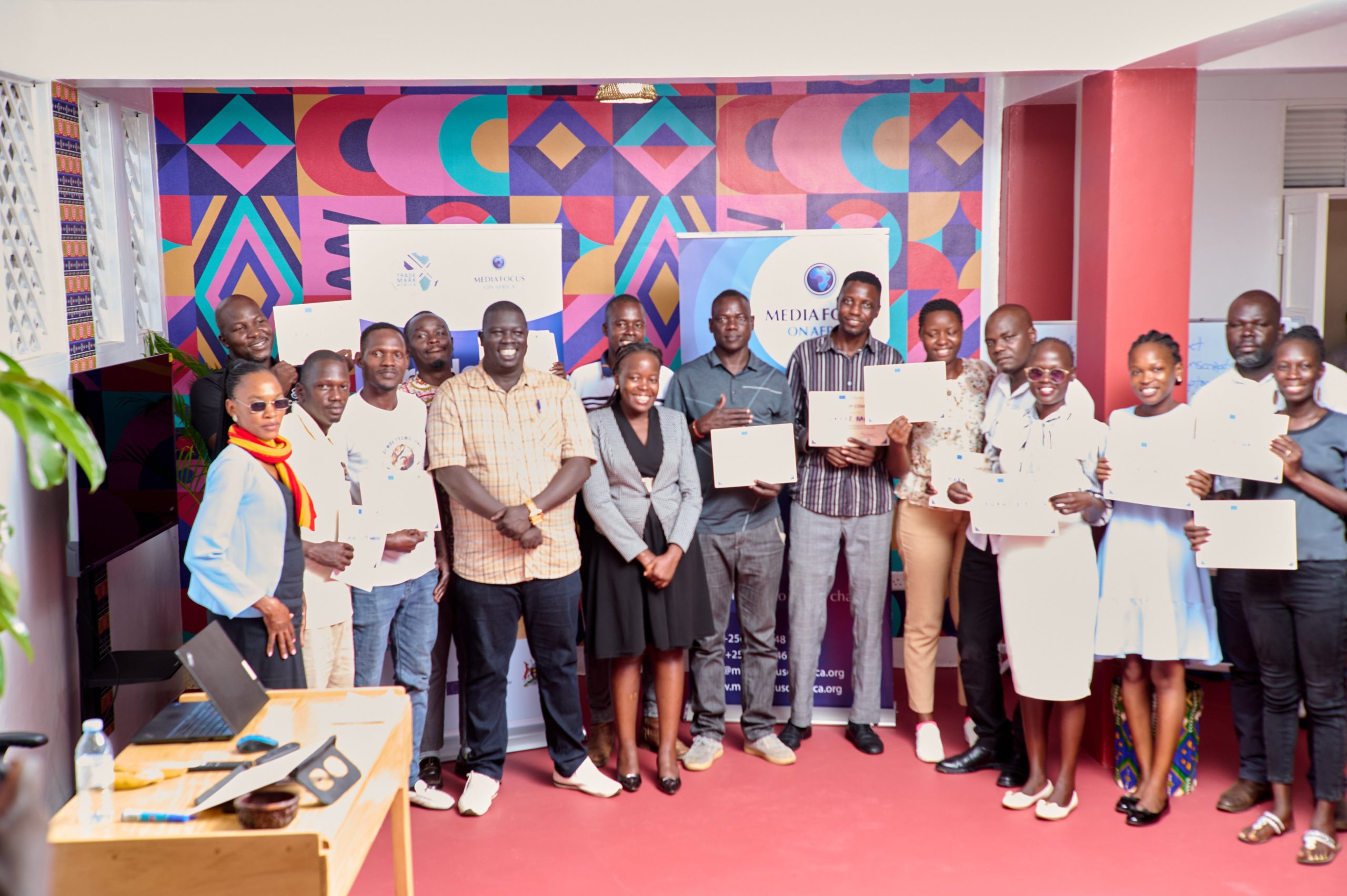
GULU CITY, UGANDA – Journalists from across Northern Uganda gathered at Fourth Media Hub in Gulu City for a two-day multimedia training aimed at strengthening reporting on cross-border trade and enhancing the media’s role in promoting peace, dialogue and social cohesion within border communities.
Organized by Media Focus on Africa (MFA) with funding from the European Union, Global Gateway, Trade Mark Africa and Uganda Government, the training brought together journalists from various media houses to deepen their understanding of cross-border trade dynamics and equip them with practical tools for impactful reporting. The training was officially opened by the Mayor of Gulu City, Mr Julius Acire Labeja, who emphasized the critical role of the media in informing communities, fostering dialogue and supporting economic development through effective reporting.
Understanding the Stories Behind Cross-Border Trade
Cross-border trade remains a vital source of livelihoods for thousands of people along the Uganda–South Sudan corridor. However, many of the stories behind trade, mobility resilience and community interaction often go untold.
Through a series of interactive sessions, participants explored the opportunities and challenges associated with small-scale cross-border trade in Northern Uganda and South Sudan. Discussions were informed by findings from Media Focus on Africa’s research and practical experiences from the field.
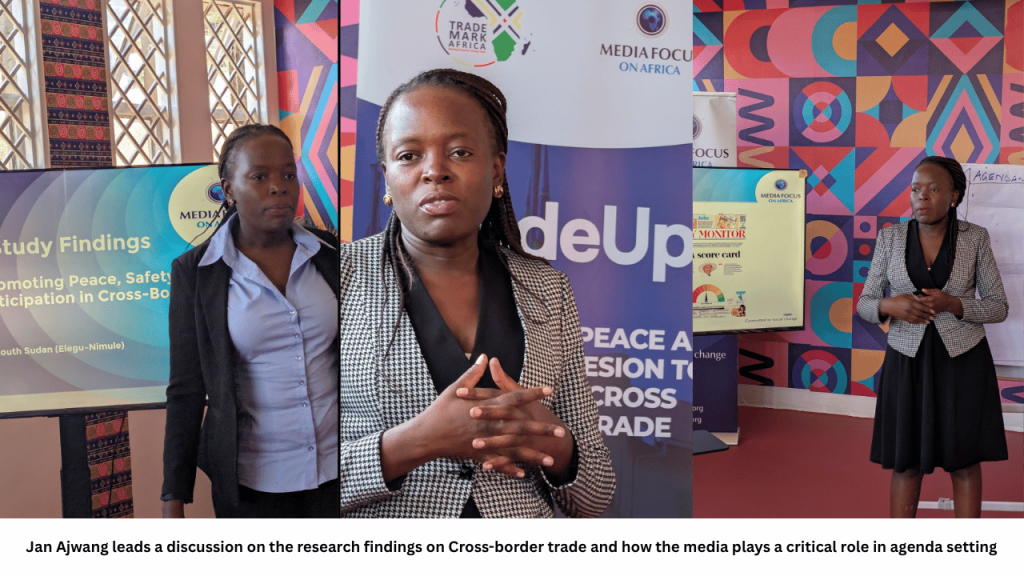
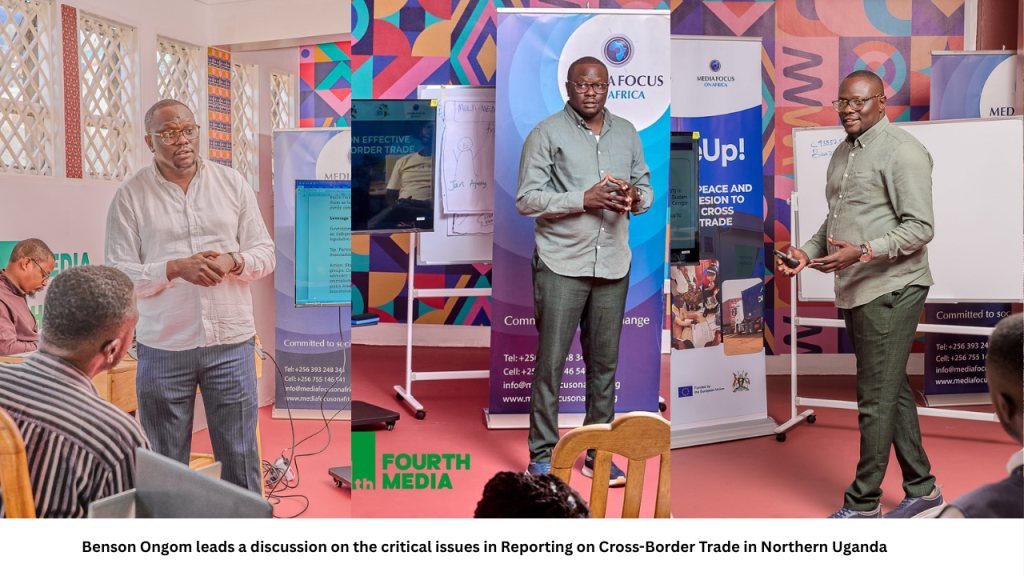
Participants examined critical issues that influence reporting on cross-border trade including gender dynamics, conflict sensitivity, safety and security considerations and health-related challenges affecting border communities.
Equipping Journalists for Reporting in a Digital World
A significant focus of the training was on helping journalists navigate reporting in an increasingly digital environment.
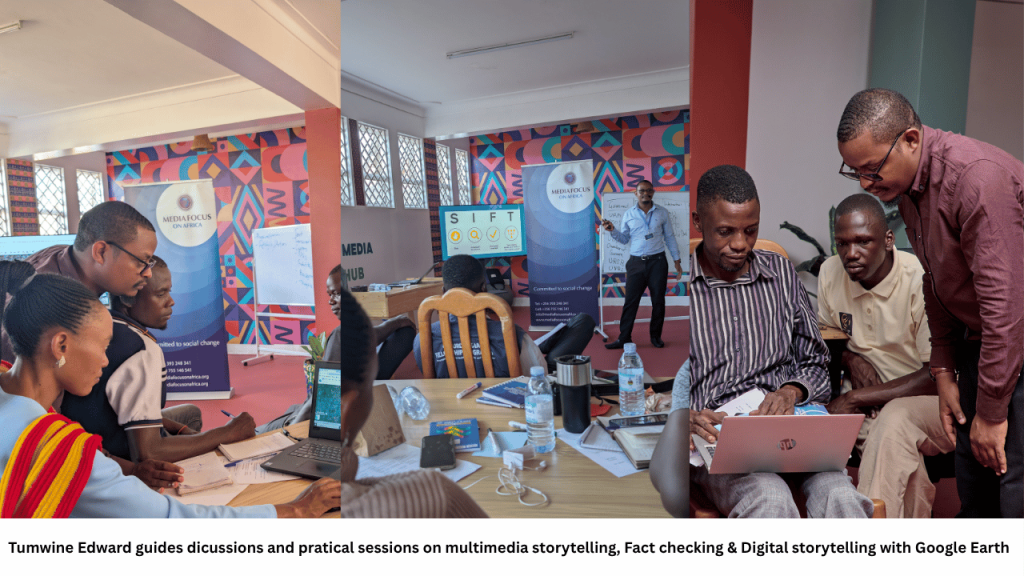
Sessions explored how journalists can effectively utilize online resources and digital tools to access trade and commerce data, verify information and strengthen evidence-based reporting. Participants also engaged in practical discussions on multimedia storytelling and how different formats including text, photography, audio, video, graphics and maps can be used to tell compelling and human-centered stories about trade and development.
This was followed with a practical session on the use of Google Earth for journalism. Participants learned how mapping technologies can help journalists visualize trade routes, understand geographical contexts, verify locations and uncover new story angles within border communities.
Expert Insights on Trade and Standards
The training also featured expert insights from Sylvia Kirabo, Public Relations Officer at the Uganda National Bureau of Standards (UNBS), who shared perspectives on the opportunities and challenges within cross-border trade and the role of standards in facilitating trade and protecting consumers.
Her presentation helped journalists better understand the regulatory and policy environment surrounding trade while highlighting the importance of accurate reporting on issues related to quality assurance, market access and compliance.
Journalism as a Tool for Building Trust and Dialogue
Beyond reporting trade figures and policy developments, the training encouraged participants to reflect on the broader role of journalism in society.
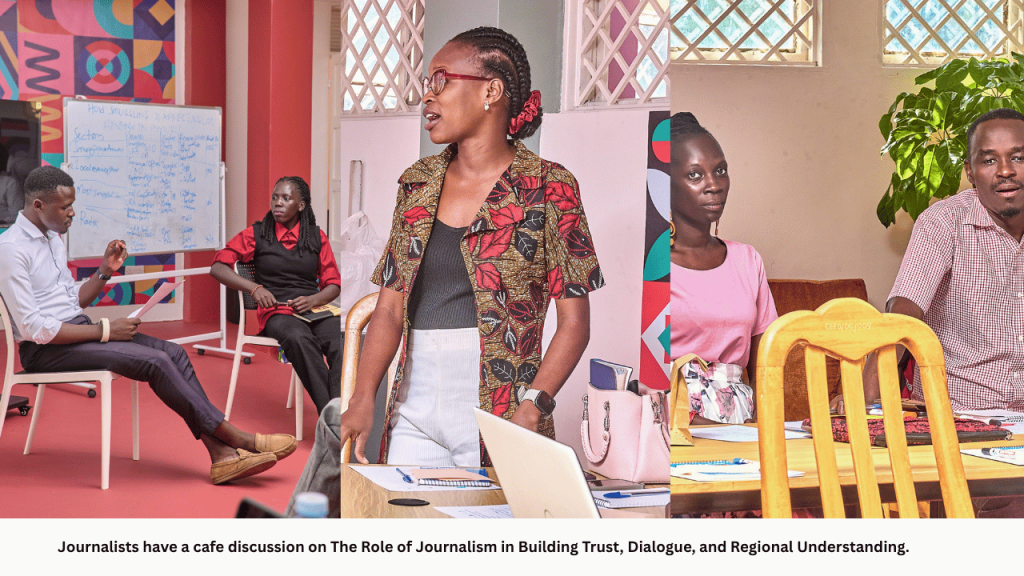
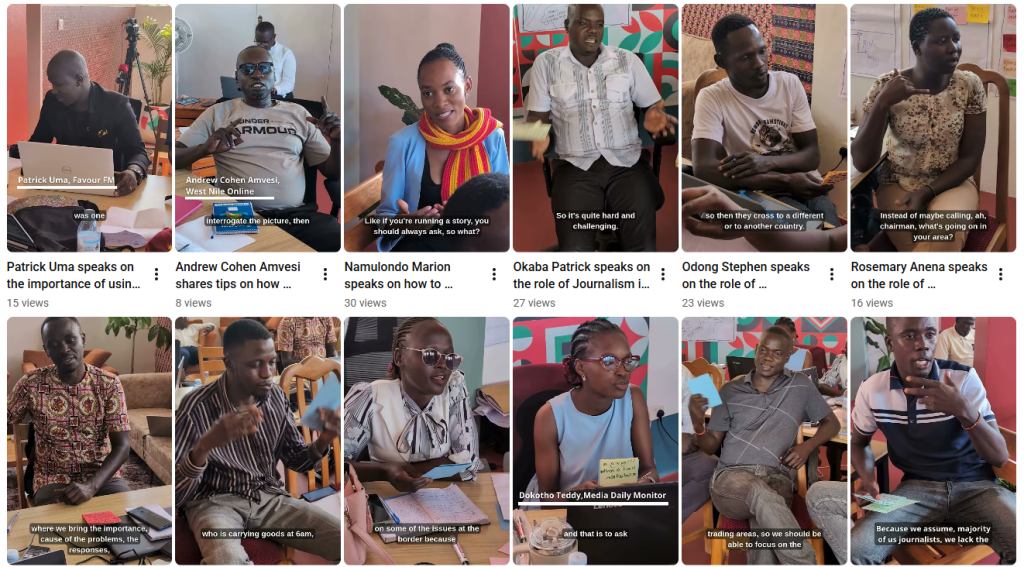
During a café-style discussion titled “Beyond the Border: The Role of Journalism in Building Trust, Dialogue and Regional Understanding,” journalists shared their perspectives on how responsible reporting can contribute to peaceful coexistence, challenge stereotypes, amplify community voices and strengthen relationships between communities living and trading across borders.
The discussion generated thoughtful reflections on the responsibility of journalists to report in ways that promote understanding while maintaining accuracy, fairness and independence.
Click below to hear journalists share their key points on The Role of Journalism in Building Trust, Dialogue, and Regional Understanding
Looking Ahead
As cross-border trade continues to play a crucial role in regional integration and economic development, the need for informed and responsible reporting has never been greater.
By strengthening journalists’ understanding of trade issues and enhancing their multimedia storytelling skills, the training contributes to building a media landscape that supports informed public discourse, accountability and social cohesion.
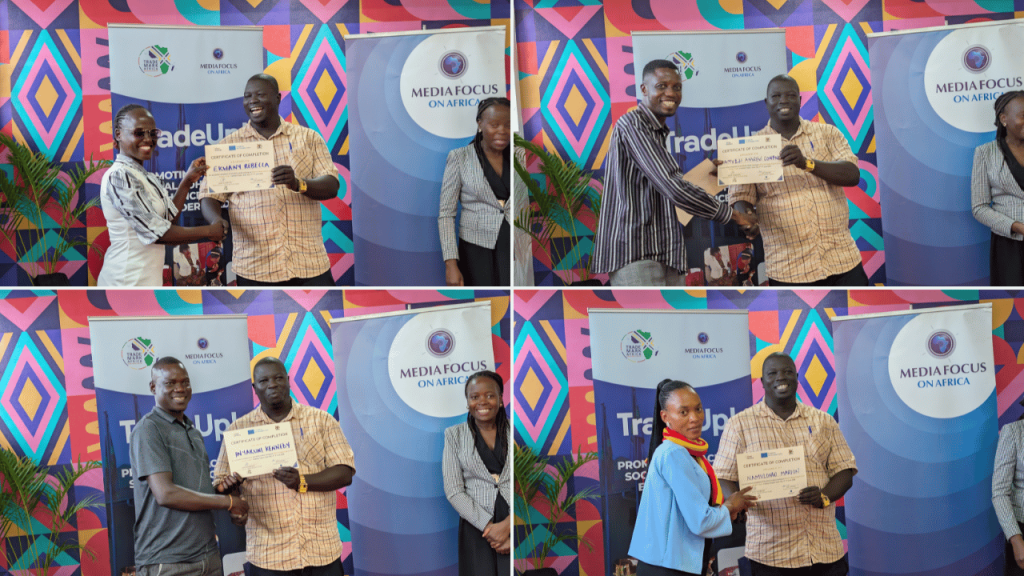
The training concluded with remarks from Mr Geoffrey Osborn Oceng, the Resident District Commissioner (RDC) of Amuru District, who commended the initiative and encouraged participants to apply the skills acquired in their daily reporting. Certificates were awarded to all participating journalists in recognition of their successful completion of the training.
Through initiatives such as this, Media Focus on Africa continues to empower journalists with the tools, knowledge and networks needed to tell impactful stories that matter to communities and contribute to sustainable development.