ELECTIONS MEDIA STRATEGY

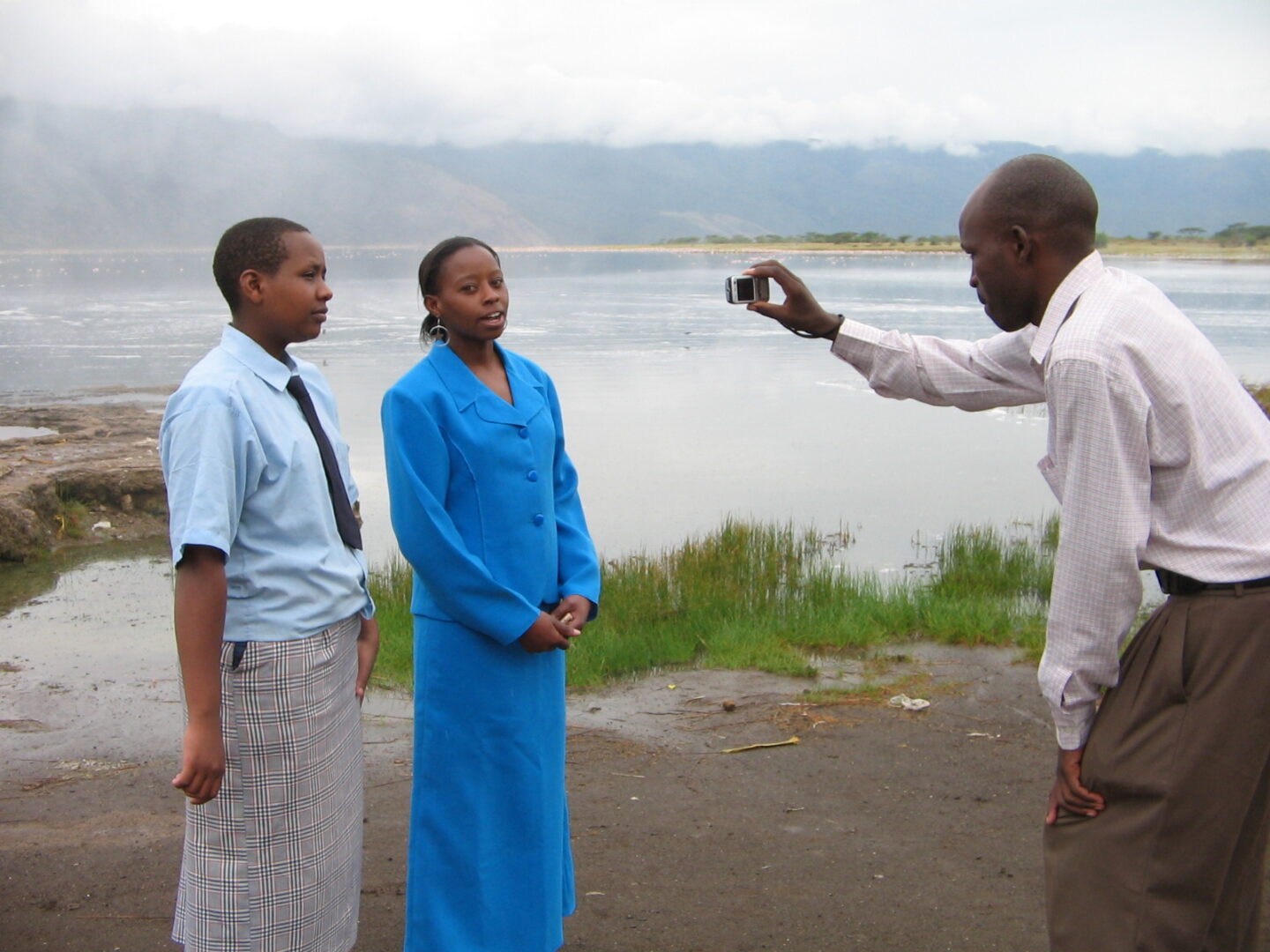
Multi-Media Strategy supporting Free and Fair Elections. With the support of the UNDP Elections Assistance Programme and development partners MFA conducted a ‘harmonised and issue-based’ media campaign with specific focus on the 2007 General Election in Kenya between September 19th and December 22nd of 2007.

The aim of this media campaign was to convey objective, unbiased and impartial information via the media on selected and thoroughly researched electoral topics, thus supporting the realisation of increased voter turnout and ‘free and fair elections’.

The campaign promoted the election agenda and gave the public an opportunity to express their views on topical issues that were relevant during this election year such as: equitable allocation of resources; unemployment; ethnicity; security and human rights. Target groups: the population in both urban and rural areas with special focus on the youth, woman and people with disabilities.

Objectives:

  • Develop an issues-based approach to encourage discussion and reflection;
  • Reaching target audiences nationwide utilising national/local media platforms;
  • Supporting free and fair elections as well as increased voter turnout;
  • Unbiased and equitable access of all political parties/candidates to the media.

APPROACH

The media strategy complimented the efforts of several media houses coverage of the elections and civil society organizations that conducted civic education through formal and informal meetings countrywide by providing a forum for discourse in a manner that reinforces these efforts. The strategy was firmly issue based and therefore – implicitly – worked as a civic education program promoting responsible citizen participation in the electoral process.

Thematic issues included: The role of the youth in politics; Women in electoral politics; Enacting a new constitution; Political parties and their respective manifestos; Poverty and inequality and Unemployment; Ethnicity, incitement and hate speeches by the political aspirants; Public service delivery; Resource allocation and the issues around devolved funds; Political accountability; Election Act and Election malpractices; Political campaign financing; Performance of the ECK; Role of the Executive (Provincial administration/Office of the president and Insecurity.
SMS LEARNING CAMPAIGN

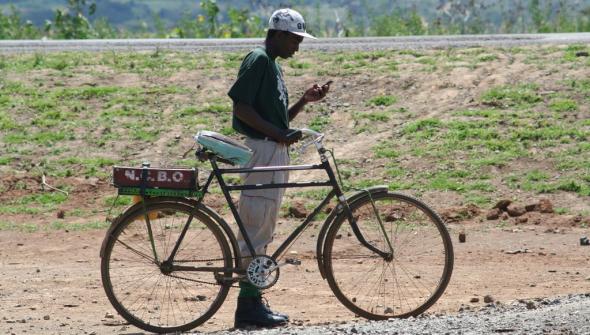
SMS is a tool, which can be used effectively to reach thousands, especially those who do not necessarily have direct access to the mainstream media. Therefore, in collaboration with our partner Butterfly Works, MFA implemented an extensive SMS campaign as part of the Elections Media Strategy for the Kenya elections in 2007. In addition to creating awareness, MFA used the SMS campaign as an assessment tool for measuring public opinion on various issues and themes in this year’s elections such as education, unemployment, leadership and corruption. The results and statistics of the SMS campaign functioned as a trend watcher and offered a reflection on the diversity of views on issues considered important to and by Kenyans countrywide.

SMS questions were integrated in the radio and TV programmes and on the internet and in full-page advertisements in the Daily Nation Newspaper.

The results of the SMS campaign polls were shown in the Daily Nation newspaper and on the website www.mediafocusondevelopment.com.

EAC PARLIAMENTARY WORKSHOPS

Together with European Parliamentarians in Africa (AWEPA), MFA organised six national workshops on ‘Media and Politics’ to promote greater access to information with regard to parliamentary procedures, debates and coverage and to improve mutual understanding and respect between the media and parliamentarians through sustained dialogue. The workshops took place in Tanzania, Uganda, RC, DR Congo, and Kenya.

The Workshops were a follow up to the African News Media Conference held in Nairobi in August 2006. The African News Media Conference organised by Awepa, the Nation Media Group Kenya and the United Nations – affiliated University for Peace (UPEACE), examined the challenges facing Africa’s news media – as a watchdog and educator, while promoting transparent governance, preventing conflict and building peace. The final document of the Conference listed a number of recommendations, which can be summarised as follows:

  • Codes of ethics between parliamentarians and the news media should be developed with regular peer review.
  • Greater coverage of parliamentary proceedings by the news media should be facilitated, including the work of parliamentary committees.
  • Media training for parliamentarians should be organized to enable them to interact more effectively with the news media.

The objectives of the regional workshops organized by MFA were:

  • To examine the progress made since the conference held in Nairobi in August 2006 specifically with regard to the implementation of the recommendations;
    • To evaluate the challenges faced during the implementation of the Nairobi Conference Recommendations;
    • To promote greater access to information with regard to parliamentary procedures, debates and coverage;
    • To improve mutual understanding and respect between the media and parliament through sustained dialogue;
    • To explore modalities of developing a code of ethics or memorandum of understanding that will ensure harmonious relationship between the two institutions

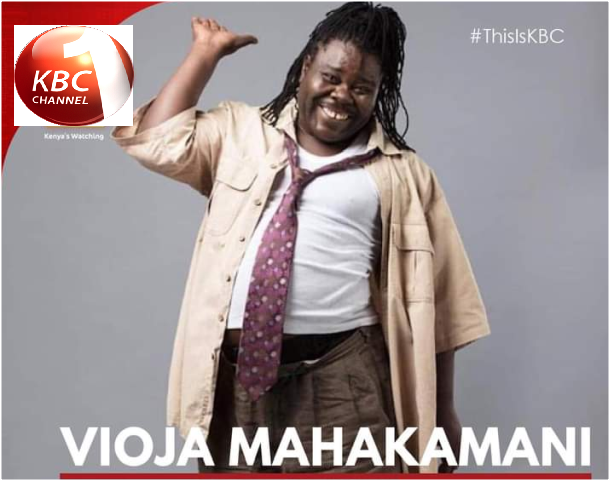
VIOJA MAHAKAMANI: TV COMEDY TAKES ON LEADERSHIP

Vioja Mahakamani is Swahili for Drama in the Courtroom. This show is played out in a courtroom complete with witnesses, a magistrate, the prosecution and the accused. This courtroom drama provides social commentary on the Kenyan social and criminal system and puts the realities of Kenyan culture on trial. Vioja Mahakamani is an avenue through which many Kenyans learn about their rights, their entitlements and the rule of law in Kenya.

This Project is part of the “Election Media Strategy” that incorporates many projects and activities. HERE.

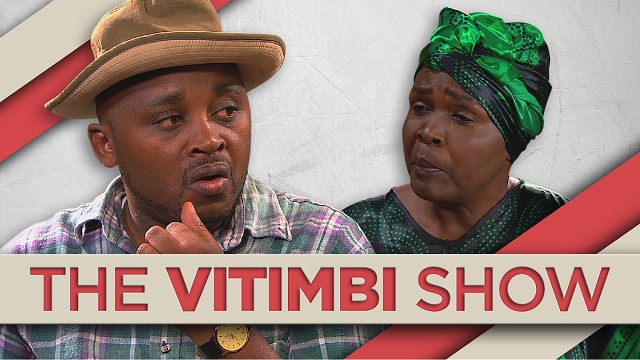
VITIMBI: TV COMEDY TAKES ON LEADERSHIP

Vitimbi is a KBC TV sitcom played out around the family of Mr. Ojwang Hatari and his wife Mama Kayai (mother-of-Kayai) and focuses on the challenges they face as a family. This show has been on air for more than three decades in Kenya, has elevated the use of cultural collision and ethnic accents to captivate viewers. As a result of its huge following, the show explores serious issues which are presented in a more humorous manner and deals with issues such as intermarriages, tribalism and ethnicity, girl-child education and women in leadership. MFA produced 4 thematic episodes focusing on elections.

This Project is part of the “Election Media Strategy” that incorporates many projects and activities. Visit Here.

Watch the Vitimbi show here.

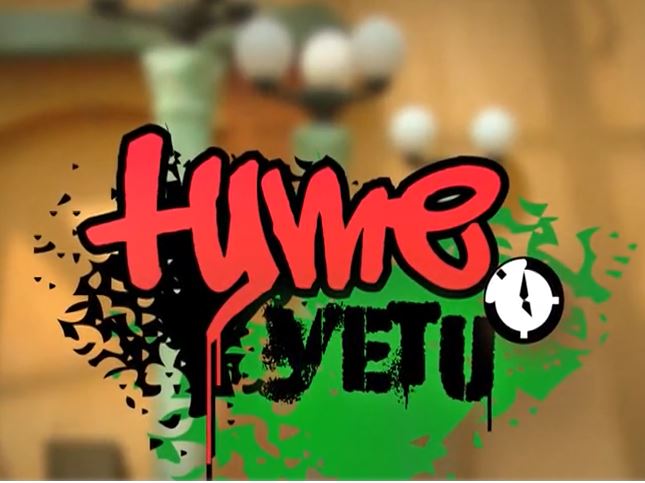
TYME YETU: YOUTH LEADERSHIP SHOW ON NTV

Tyme Yetu: An 8 episodes Youth talk show, that aired on NTV with in-studio and on-location segments and gave the youth across the country, a chance to have their say and share their opinions on what issues are important to them politically and socially as the elections drew nearer. The name Tyme Yetu is a Swahili slang word meaning ‘It is our time’. The show tackled serious issues in a youthful way, engaging and targeting the youthful audience, being informative and gauging the political temperature and force of the youth.

This Project is part of the “Election Media Strategy” that incorporates many projects and activities. HERE.

Watch Tyme Yetu here.

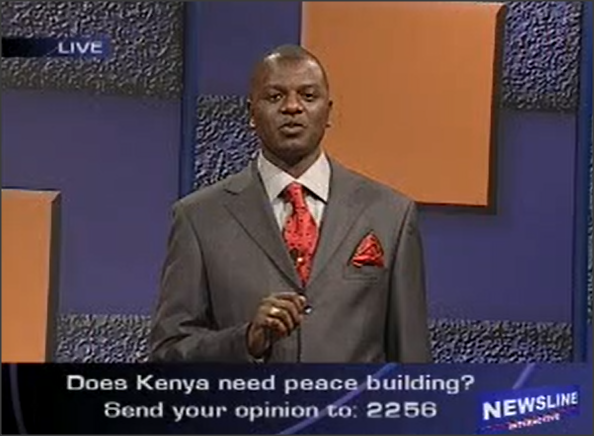
LOUIS OTIENO LIVE & NEWSLINE

Live from 11 cities, Louis Otieno Live on the Road aired on Citizen TV. This cutting edge discussion program that travelled around the country gave Kenyans a chance to air their views during the run up to elections. Each province has a different set of problems, views and needs. This live show enabled everyone to have his or her voices heard on national television. The show also consisted of panelists drawn from all areas of society, including aspirants, civil society groups, women, and government representatives. The show a

Louis Otieno also had another similar show on KTN TV, Newsline which discussed similar matters with studio guests.

This Project is part of the “Grand Leadership Campaign” that incorporates many projects and activities. See HERE.

Watch Newsline here.

Watch Louis Otieno Live on The Road here.

VOICES OF THE ARID LANDS

Mobile reporters give a voice to Kenyan voters: The use of mobile phones in rural areas enables reporters to document ignored issues, recognize common concerns and point out practical solutions. Working in collaboration with the Arid Lands Information Network (ALIN), Media Focus on Africa promoted civic education and participation of marginalized communities during the electoral process .  To achieve this they trained 10 “Community Information Volunteers” from ALIN and equipped them with Internet enabled mobile phones. The “Community Information Volunteers” from all over the country reported on the Kenyan political atmosphere. These mobile reporters provide a way for various people who are not often asked to express their opinions and provide discourse on issues that they think should be at the forefront during this election such as corruption, power of the vote, gender issues, youth leadership, accountability, ethnicity and the candidates’ views. New technologies like this give voters from the marginalized communities a voice in the political arena and a chance to be heard not only by politicians but also by their fellow Kenyans in urban areas.

Their findings were published (videos, photos and articles)on www.mediafocusondevelopment.com and also played shown on a TV talk show.


LEADERSHIP MONTH 2006

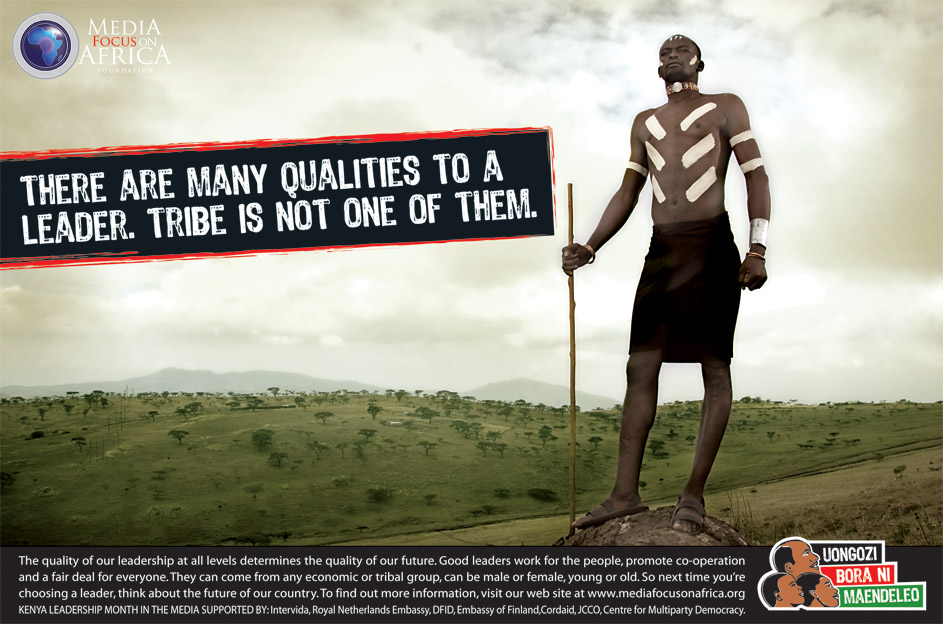
The year 2006 saw the implementation of Africa’s first multimedia leadership campaign, dubbed ‘The Annual Kenyan Leadership Month in the Media’ (which carried the Swahili slogan ‘Uongozi bora ni Maendaleo’) as a pilot project. The campaign aimed to work as a civic education program by transferring knowledge and enhancing awareness on issues of good leadership and best practices of governance.

MFA, in collaboration with the mainstream media, implemented and created an alternative national leadership discourse platform free from censorship, encouraged debate on exciting topical issues, and sought public opinion and attitudes on various leadership categories (community, political, religious and administrative).

A wide range of programmes in the form of radio and TV panel discussions, educational soaps, phone-in radio programmes, documentaries and mini-soaps, were broadcast on radio and television. Advertisements, SMS and an interactive website also formed an integral part of the communication strategy. The underlying premise for this approach was to empower the public, civil society and the media to demand for good leadership and greater accountability and transparency from leadership.

The 2006 Leadership Month focused on the following themes:

– Leadership & Quality of Life
– Leadership & Ethnicity
– Leadership & Peace Building
– Youth & Women Leadership

MFA’s programs were watched and listened to on Radio and TV by an estimated 6.5 million people aged 15 years and above. Enhancement of awareness, due to the campaign, was shown to increase. Of all the people exposed to the campaign (an estimated 4.4 million, 78% believed that the campaign had helped them to better understand issues of leadership in Kenya and in addition to that another 56% stated that “next time they would choose their leaders more carefully”.

DIVA4D slot gacor 777

social media

Social Media Feed

Updates from Uganda & Kenya

Facebook Kenya

Facebook Uganda

Twitter Kenya

Twitter Uganda