LEADERSHIP CAMPAIGN 2012

In preparation for the 2012 general elections, the 1st election under a new Kenyan Constitution, MFA conducted a Leadership campaign with special attention to Chapter 6 of the Constitution (Leadership and Integrity),  new leadership structures and devolved governments. National leaders, civil society representatives, traditional leaders, as well as ordinary citizens were invited to participate in radio and television programmes to discuss issues that were important to their counties and subsequently the type of leadership required to address these issues.

This campaign resulted in the production of 15 small documentaries with examples of good leadership, 15 community leadership dialogues, 16 talk shows for national television and 80 talk shows for radio.

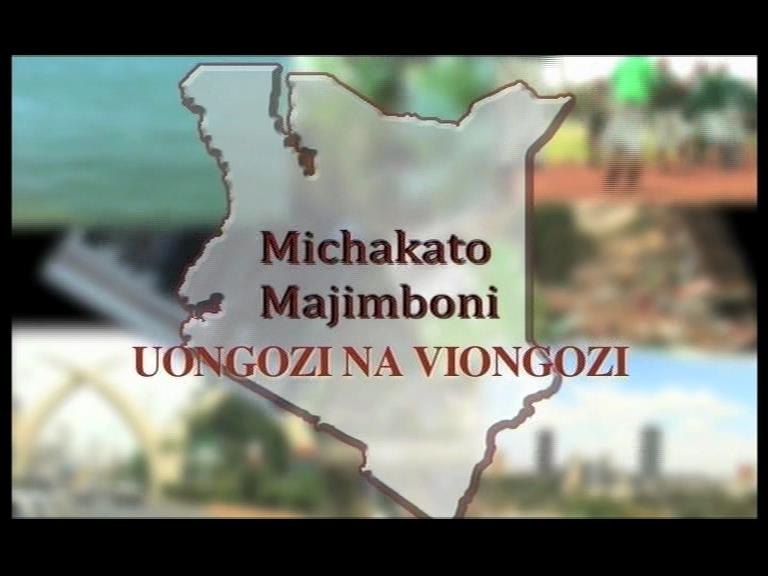
The Television show dubbed ‘Michakato Majimboni’, a fancy way of saying ‘County Dialogues’ in Kiswahili can be watched here. The Leadership Examples Documentaries can be watched here. 

CROSS-GENERATIONAL DIALOGUES

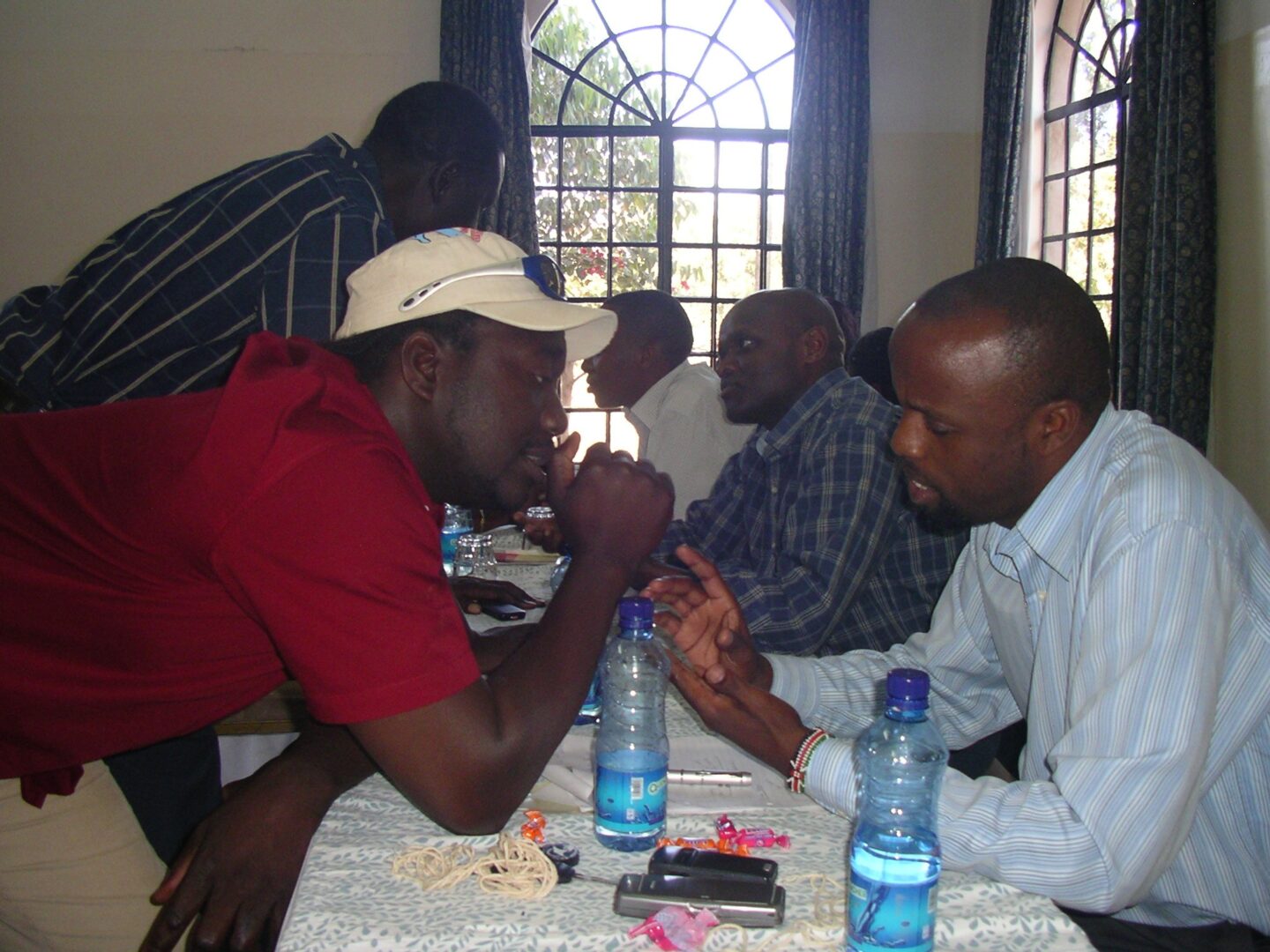
Before the 2012 elections in Kenya, MFA and Search For Common Grounds (SFCG) organised a series of inter-generational (youth-elderly) and inter-ethnic dialogue sessions in 16 locations across the country. The social dynamics in most African cultures work in a way that the elders decide while the youth implement. But having empowered the youth in the past years, we found it necessary to include the elders in the dialogue sessions and in the process get them to support the youth as they take more direct decision making roles in the communities., more so pertaining to the upcoming elections.

UUNGWANA INITIATIVE CAMPAIGN

The Uungwana Initiave is a values, attitude and behavioral change campaign that is the brainchild of Ken Njiru. The Uungwana Initiative rests on three pillars namely, Jifahamu (or know yourself), Jiweze (take control of yourself) and Jitolee (give yourself to yourself first, then to the community and the world).

MFA assisted in the development of communication strategy for behavioral changes (morals and values) in collaboration with Ken Njiru at no cost. MFA prepared TV infomercials for the Uungwana initiative. Following this strategic imperative, MFA supported the development of messages aimed at encouraging good national norms and social values under the Uungwana Initiative. This initiative was seeking to promote mutual respect in Kenyan society and called on citizens to move from mediocrity. This support was rendered to Uungwana Resource Institute and included supplementing the production costs of Public Service Announcements (PSA’s) on uraia, utu, responsibility, politeness, trustworthiness, courage and justice. These PSAs aired on radio and television.

TRAINING FOR QUALITY (TZ)

For Tanzania Media Fund (TMF) MFA implemented a training programme consisting of short training courses in basic skills and newswriting and online and investigative journalism for correspondents. The training programme was targeting correspondents working for the local media.  Short training courses and review days were complemented with a 4 month mentorship programme: with personal coaching, review meetings with mentors, personal assignments, press conferences and a 2-week internship.  MFA partnered with the International Center For Journalists (ICFJ). Joachim Buwembo, a rewarded journalist and knight fellow from the International Center for Journalists, supervised the mentor programme.  The training programme was supported by an online platform for peer-to-peer learning and mentoring.

Results

  • http//mediaup.tmf.or.tz online trainings platform
  • 24 students trained in investigative and online journalism, basic skills and newswriting
  • 600 articles were posted on the online platform
  • 18 correspondents accomplished the short courses and 4-month mentorship program
  • 5 front page articles in national newspapers

CHANUKAH GIRLS

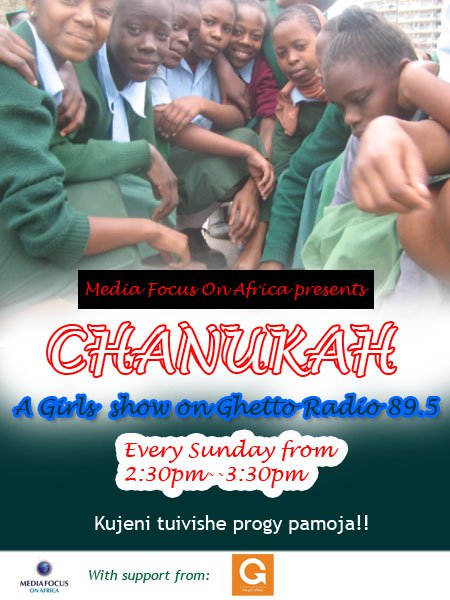
Chanukah was a project by MFA to increase awareness and access of information to girls in Nairobi slum areas. This project used a combination of radio, outreach, and social networking tools, to organize relevant information and make it more accessible to girls. “Chanukah” is Nairobi street lingo for empowerment.

The radio programs are available online. Listen here.

THE TEAM: SEASON 1, 2 AND 3

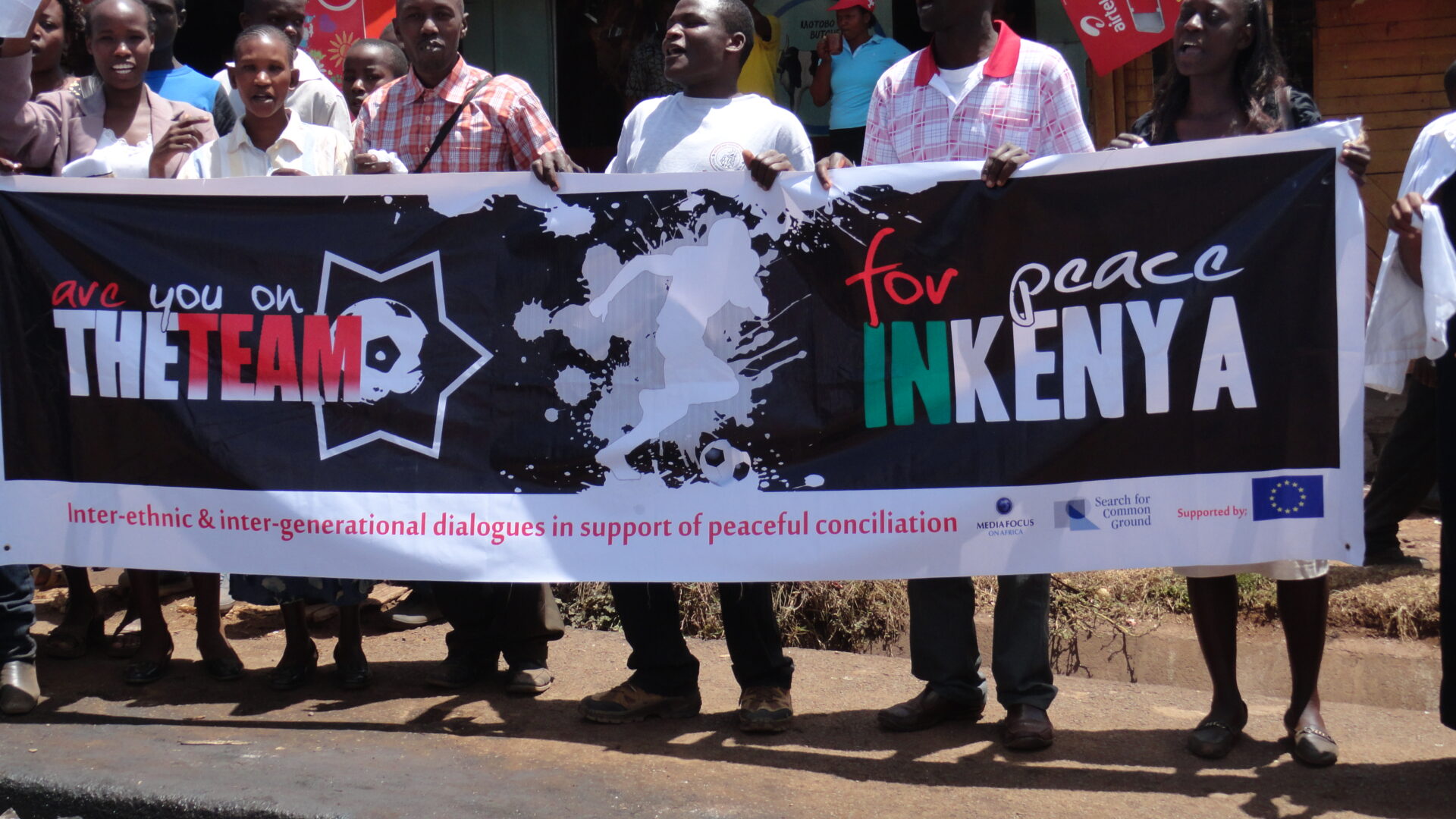
In response to the post-election violence in Kenya in December 2007, Search for Common Ground (SFCG) and Media Focus on Africa (MFA) developed and produced a TV and radio drama, The Team – an episodic series which asks a central question: can Kenyans find ways to put the past behind them in order to have a better future?

It aired on Citizen Television and KBC and ranked in the country’s top-ten. An average of 2,775,000 viewers watched the show every week.  The Team received an award for Best Film in the ‘Human Security’ category on the ‘We the People’ Film Festival in London.

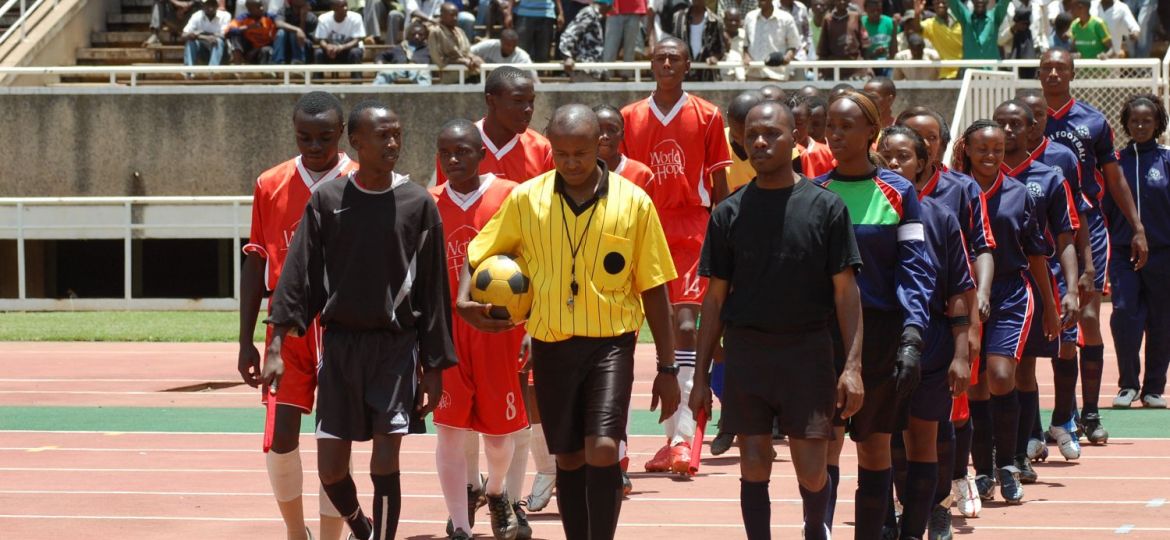
The series presents a microcosm of Kenyan society in which members of a fictional football team, who come from different ethnic groups and social classes, are challenged to overcome their fears and biases so that they can see one another as individuals not as members of “the other.” The central metaphor for the players – and for Kenya – is: If they do not cooperate, they will not score goals, and they will lose. The series sends a strong message that the sins of the past cannot be rectified by retributive violence today.

Season 1: WATCH

Season 2: WATCH

Season 3: WATCH

Apart from the series , a large outreach program was organised in places most affected by the PEV, a DVD with viewer guide, a theme song, and  a website were created.

LEARN WITHOUT FEAR

Violence against children in schools affects approximately one million children worldwide every day. Girls are especially vulnerable to rape, exploitation, coercion and discrimination. In October 2008, Plan International launched a global campaign to eliminate violence against children in schools, called Learn Without Fear. As of August 2010, the campaign was operating in 44 countries worldwide. MFA implemented Learn without Fear in cooperation with Plan Kenya

Key anti-violence campaign messages were created to reach millions of adults and children through radio and television shows, leaflets, training sessions and workshops. MFA helped in creating these messages including production of a short documentary film.

Children were involved in all aspects of the campaign. In working with schools, local communities and national governments across the world, the Learn Without Fear campaign demonstrated that stopping violence against children in schools – by engaging and educating those who are able to prevent violence from ever taking place – is possible.

Find the campaign progress report here, showing its successes and more.

FIST TO FIVE FOR CHANGE

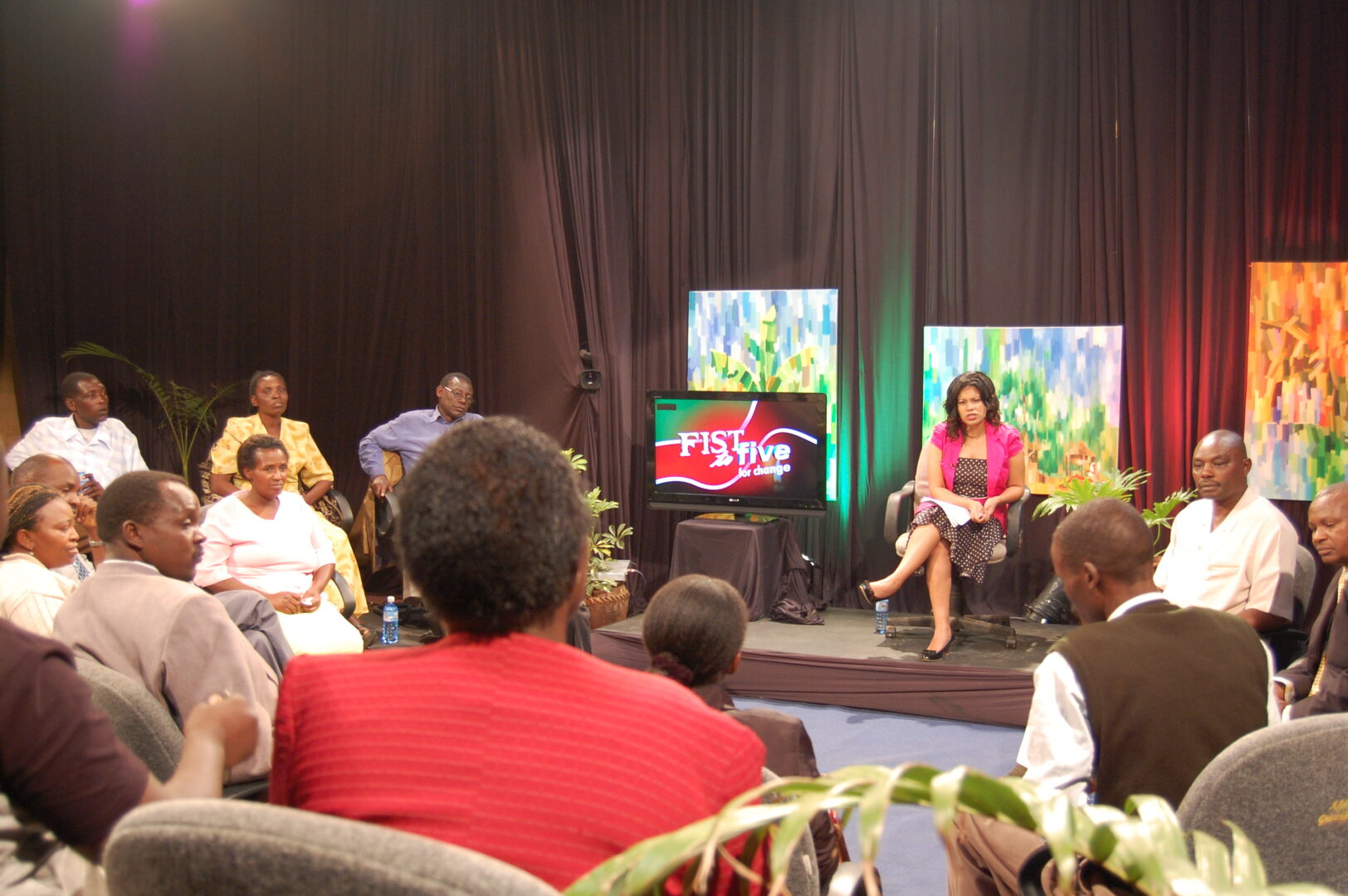
MFA produced a television talk show on Citizen TV titled ‘Fist to Five for Change’ in response to the PEV and the National Accord that led to the secession of violence in 2008.  19 TV shows of “Fist to Five for Change” were aired reaching more than 2 million people per episode. The television shows were supported by 48 Mobile Cinema screenings in locations mostly affected by the violence and combined with 48 workshops in the same locations which brought together community leaders, police, civil society as well as victims and perpetrators to engage in dialogues sessions with a similar structure/process as the talk shows. The locations were Mathare and Kibera in Nairobi, Naivasha, Nakuru and Eldoret in the Rift Valley Province, Mumias and Kisumu in Western Kenya and Mombasa at the coast.

Participants shared their experiences during the PEV while discussing the root causes of the post election conflict in an effort to find a way forward. During the talk show and the community dialogues sessions, it was emphasized that political reforms were key to solving deep seated root causes of ethnic mistrust and violence.

Watch Fist to Five here. 

Listen to radio broadcasts here.

BUILDING BRIDGES PROJECT

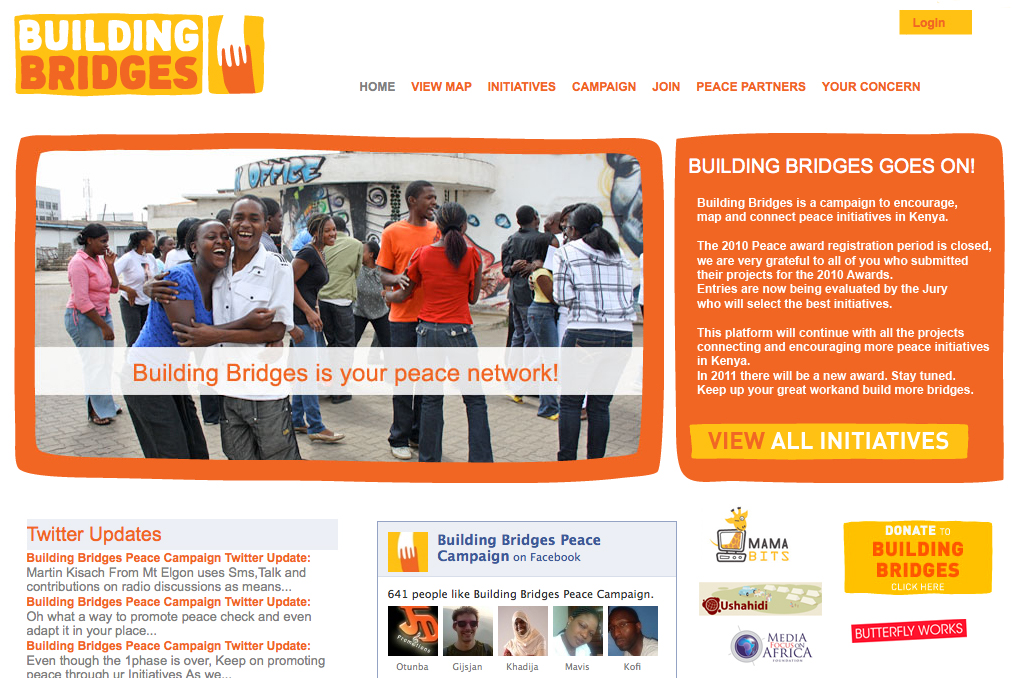
Building Bridges was a peace campaign and award to encourage and map peace initiatives in Kenya. The campaign’s aim was to recognise and reward peacemakers and peace projects across Kenya as a way of strengthening the peace-building capacity of Kenyan citizens. Building Bridges aimed to stimulate peace initiatives, which contribute to preventing or overcoming conflict within or between communities e.g. villages, neighbourhoods, faith groups, families, and businesses. Conflicts could be related to land issues, ethnicity, and corruption amongst others issues.

Building Bridges aimed to motivate individuals to take action and register their peace initiative, activities or organization on the Building Bridges website.

UNSUNG PEACE HEROES

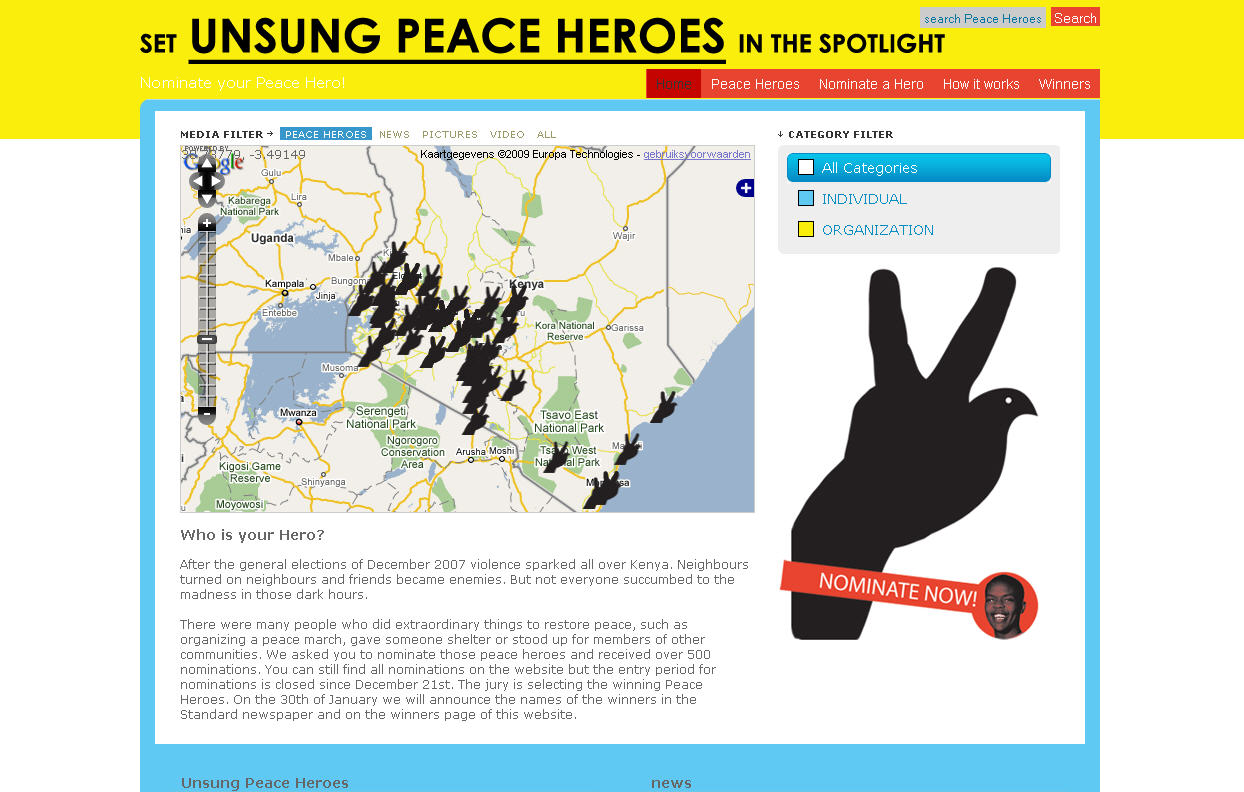
An SMS campaign aiming to recognize the people who worked on peace building in the aftermath of the elections of 2007. Together with Media Focus on Africa, Butterfly Works developed an SMS campaign, which invited to nominate people or organizations that actively worked to promote peace during the difficult times that followed the Kenyan elections of 2007. In December 2007 after the contested elections, violence sparked all over Kenya.

People were able to use SMS, phone and Internet to cast their vote and recognize the work of those who courageously worked for peace among their communities.

The program resulted in more than 500 nominations out of which the jury selected the final winners who received Kshs 10.000 in cash and had their individual stories published in the Standard newspaper by the end of February 2008.

Winners

Kamakei Ole Sangiriaki is an 28 years old Maasai who wanted to protect his Kikuyu friend from an angry group of Maasais looking for, enemies. He got beaten up and decided that this could not be accepted. He and his neighbour friends formed a group called ‘Kenyan Initiative – by Kenyans for Kenyans’ consisting of mostly Maasai together with Kikuyu, Kisii and Luo men. They went out at night to follow and find the angry mob. By talking to them they convinced them to stop the violence and killing after one week. As they went around Narok area, other groups copied their example and set up similar ‘peacekeeping groups. As a result, (Freddy claims) the violence ended much sooner in Narok area than in the rest of the country.

Alfred Sakwa Sabatia. He is 23 years and grew up as an orphan. Alfred organized peace talks, composed peace songs, verses and plays, started a peace self help group. He also took food, clothes, and utensils given by friends, churches and organizations to IDP’s in various camps in and around Eastleigh.

Ann Wangari went to Muranga district and found 15 Luo and Kikuyu children, in the age 6 to 15 years in need and took them to Kasarani to take care of them. All children are now in school. She receives support from friends, church and family.

Family Pabari; this Asian family has been active in charity work for twenty years in Kisumu (Ladies in Action) and Nairobi (Sukuma Kenya). During the post election violence they helped Kikuyus, Kisii and Luo’s with food, medicine and farming equipment.

Joel Cheruiyot Sigei is a 48-year-old Kipsigis who hid 18 people, 4 Kisii families, for 2 weeks in his compound in Boreti. He gave them maize from his stock and milk from his two dairy cows. Furthermore, he helped children in an IDP camp by bringing them 40 litres of milk every day.

Maureen Auma Obonyo went out and helped the sick and old people in Kibera. She distributed food from Uzima Foundation and was beaten up three times. She called herself Maureen MKenya. She also organized peace workshops, organized football tournaments and drama festivals.

Paul Omukaya Ayodi took immediate action after the election violence broke loose. He took orphans and people who lost their homes to a school for shelter. He helped a total of 20 Luo, Kikuyu and Luhya families and supports some of them still today in Kawangware.

Esther Wanza Muisu is 42 years old and of the Akamba tribe married to her husband of the Agikuyu tribe. During the period December 28th – January 15th she helped people with food and shelter, a total of 25 people slept overnight at her house.
DIVA4D slot gacor 777

social media

Social Media Feed

Updates from Uganda & Kenya

Facebook Kenya

Facebook Uganda

Twitter Kenya

Twitter Uganda