Media Focus on Africa (MFA), with support from Konrad-Adenauer-Stiftung, held a breakfast session of the Pre-Media Week Dialogues under the theme ‘Creating Mechanisms towards Self Regulation,’ which took place at Golden Tulip, Kampala. The media dialogue that was held in partnership with the Uganda Editors’ Guild, one of a series building up to Uganda Media Week that will take place later in the year.
Item Themes: Access to Information
ONE MINUTE PROJECT -WESTNILE
The One-minute aimed at empowering youths in refugee settlements as well as their counterparts in the host communities with skills and knowledge in film production, media and communication. The skills will prepare refugee youths and youths in host communities to be able to tell their own stories and stand out beyond the narratives that are often presented in the media.
To enable this move, the youths were given resources to help with their learning and also produce their own films. These included Ipads configured with video editing software. With these, the youths can record and edit video and audio footage. These Ipads, among other resources, will be left available to the youths even after the project is over, such that they can carry on producing films to express themselves and tell their stories to the world.
Project One-minute is funded by Creative-Force-Swedish Institute, a Swedish agency engaging other countries in information, culture, public life among others, and the Swedish International Development Cooperation Agency working on behalf of the Swedish parliament and government to reduce poverty in the world. Project One-minute is facilitated by UNHCR, the UN Refugee Agency.
KENYA MEDIA WEEK 2018
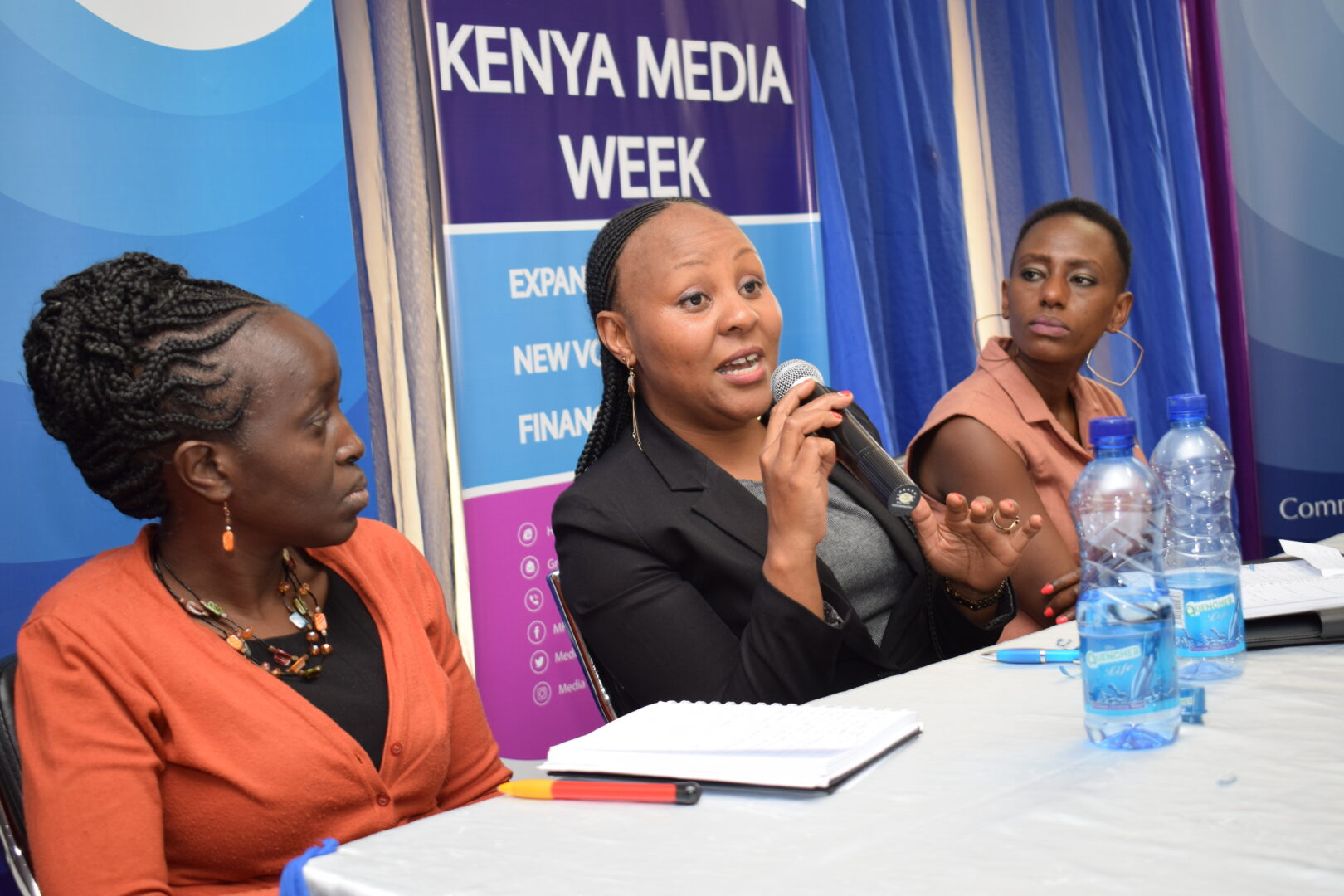
Kenya Media Week 2018 was a Grand Three Day Event that included presentations, panel discussions and exploration of media opportunities with Kenya’s leading journalists, researchers and key media stakeholders. They shared their insights and reflections on the future of Kenya’s journalism and media trends.
The first of its kind media gathering brought together great minds from the world of academia and media. Some of the speakers included Patrick Gathara, a renowned Kenyan journalist, cartoonist, blogger, and author, Swaleh Mdoe, ranked as one of the best Kiswahili news anchors in Kenya, Dr. Wambui Wamunyu, head of Media studies at Daystar University, Patience Nyange, Senior Human Rights Officer, Kenya Human Rights Commission, Jessica Musila, Executive Director, Mzalendo, Johnson Mwakazi, Founder, The Royal Voice, Terry Anne Chebet, CEO, Fanaka TV, Luke Kizito, Founder Signs Media, Marren Anot, Business Manager, Standard Media Group , Njeri Kirieni, Media and Research Consultant, Kenya Audience Research Foundation, Shitemi Khamadi, Bloggers Association of Kenya, Catherine Gicheru, Country manager, Code for Kenya, Christine Nguku – Kenya Editors Guild among others.
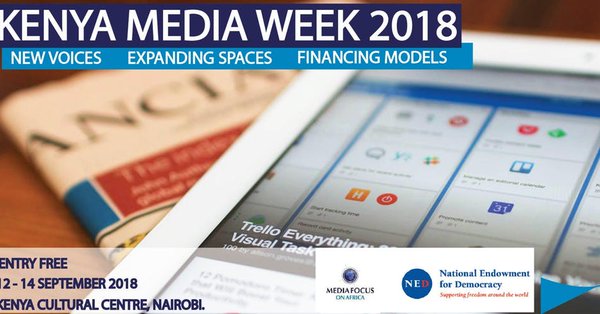
This national media conference sought innovative solutions to emerging challenges facing journalism in combating fake news, sustainable funding models for and addressing democracy. It took place on the 12th of September 2018 to 14th September 2018 at the Kenya Cultural Centre, Nairobi.
The discussions were extended online and were happening under the hashtag #MediaMattersKE and #KenyaMediaWeek. The hashtags trended in Kenya on twitter for the 3 days.
A detailed publication of the event and all that was discussed can be downloaded from this website at the Resources section. Read and download here.
THE 2018 ANNUAL KENYA MEDIA WEEK LAUNCHED
CONCLUSIONS OF THE KENYA MEDIA WEEK 2018
Television, Radio and newspaper media have been urged to stick to its ethics of verification, in depth analysis and fact checking in order to preserve the truth in journalism and countering fake news. Additionally, the media has been urged be creative in order to boost its survival by investing in research to fuel innovation. That was the conclusion at the Kenya Media Week held last week at the Kenya Cultural Centre, Nairobi.
“Rather than rushing to publish a story. Check the facts and gather data before publishing. Data journalism, fact checking and investigative journalism are taking shape as journalists and media combat fake news,” said Judy Bisem, researcher, MSci. Project Management, Jomo Kenyatta Univeristy of Agriculture and Technology.
WORK ACROSS MEDIA
During the event, there was also a call for journalists to exploit the opportunity presented by the current competition caused by friction between mainstream media and the robust growth of social media. An opportunity to work together across the media.
“We do more work when we (the media industry) collaborate as opposed to all of us trying to do our own thing. The current and new generation of journalists, have gained on the benefits of greater collaboration to make quality news content,” Dr. Wambui Wamuyu, lecturer, Daystar University.
There were more calls for the mainstream media to ensure news reporting remains for the public good and accessible to all.
“Media is an important tool of democracy but they might not be aware of the power they possess in enlightening the people. Media needs to understand its role in promoting democracy,” Jessica Musila, Executive Director, Mzalendo.
“Instead of setting the agenda, media is now following the government’s agenda,” said Julia Wanjiku, journalist, KBC radio.
OVER 160 MEDIA EXPERTS ATTENDED THE KENYA MEDIA WEEK
The inaugural conference which brought together over 160 media experts; journalists, media researchers, journalism students and interested parties for three days of debate and discussions is expected to be an annual event to keep abreast and prompt innovation in the media sector.
“I have learnt so much about fake news especially the solution being simple, verification. Additionally, the government hasn’t given so much space to media. It doesn’t provide information and facts to the media, “ said Leyian Wallace Mootiun, KBC Radio journalist.
“Kenya Media Week is quite an initiative. The selection of topics attracted the participants. The kind of questions and structure of the conference is exactly what the media is currently facing and talking about. I have learnt so much from the participants and my fellow panelists,” said Anthony Makokha, Digital Media Editor, Nation Media group digital.
“I have been following the conversation online for the last two days before coming here today. It has been very intriguing. I hope we can continue the conversation and not let it end here, but use the ideas and solutions discussed can be really used to improve our sector. I strongly believe that this interaction between experienced journalists and new/upcoming journalists will shape the future of the media,” said Emmanuel Yegon, founder, Mobile Journalism Africa.
The organizers of Kenya Media Week, Media Focus on Africa in partnership with National Endowment for Democracy and experts in the media, have confidence in the value of bringing together media research and industry experts to move the media sector forward.
“We are going to do a publication of all the research papers presented and feedback received over these couple of days,” said Simon Gicia, Communications Officer, Media Focus on Kenya.
MEDIA ROUNDTABLES
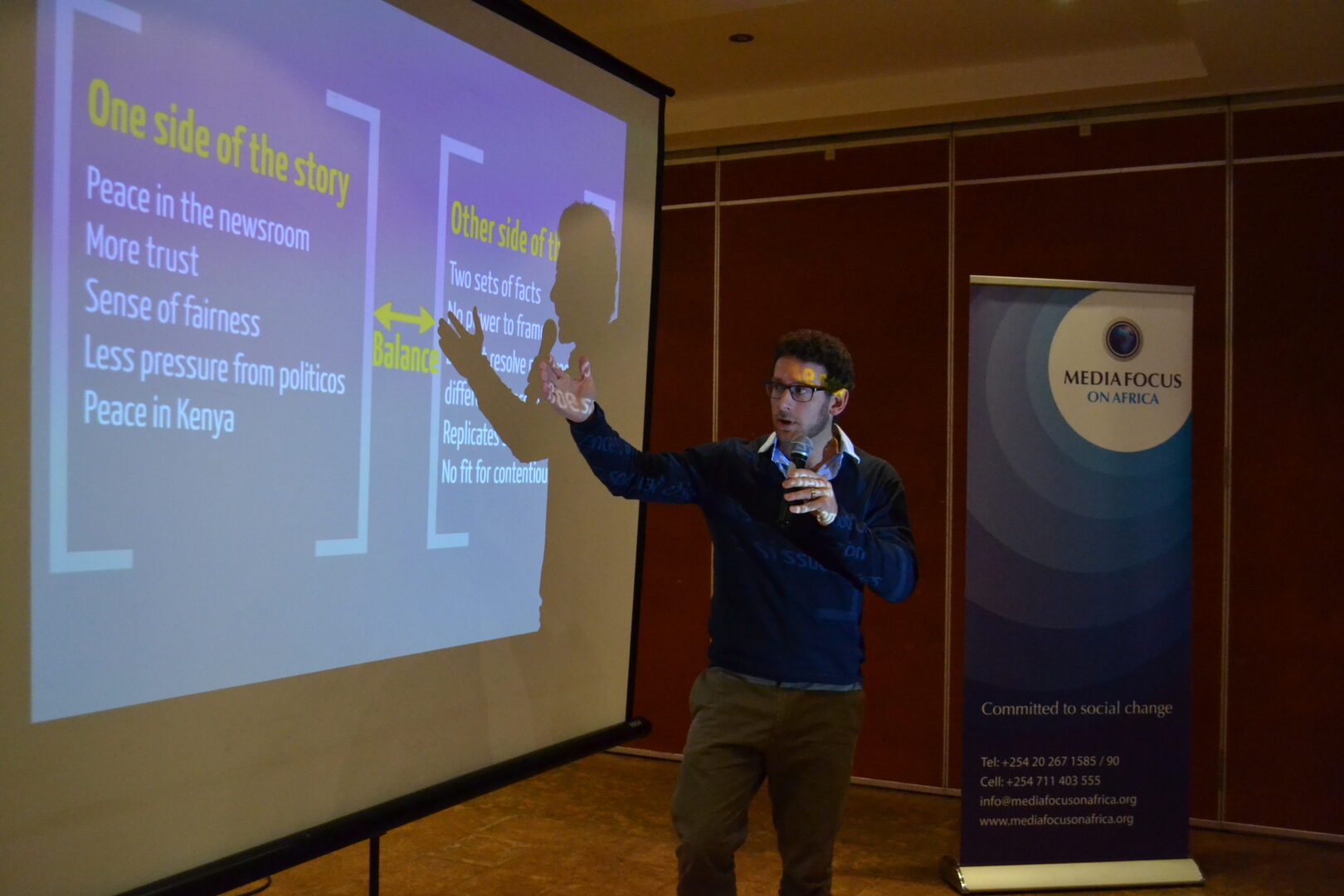
From 2011 to 2019, MFA organized media roundtables that sought to examine the role of media on various issues, in conversations with media stakeholders, civil society, government officials, legislators, policy makers and the general public. Every year, the roundtables focused on a subject that MFA felt was of great public interest and could result in great public good if covered well by the media. Themes ranged from Media and the Constitution Implementation Process , media reporting of county budgets and county expenditure, media and ethnicity, media coverage of women aspirants during electioneering periods, plus many more. The goal was to promote accountability and responsibility of media practitioners, open media to public participation and build bridges between the media and the different groups mentioned above with the aim of better information sharing.
Watch various insightful Media Roundtable discussions on our YouTube page. Here and Here
The Roundtables were supported by the Embassy of the Kingdom of the Netherlands and NED, and conducted in partnership with the University of Nairobi’s School of Journalism and Mass Communication (SOJMC), Media Institute (MI), Kenya Editors’ Guild (KEG), Alliance Française and the Kenya Institute of Media and Communications.
MEDIA & COUNTY BUDGETS ACCOUNTABILITY
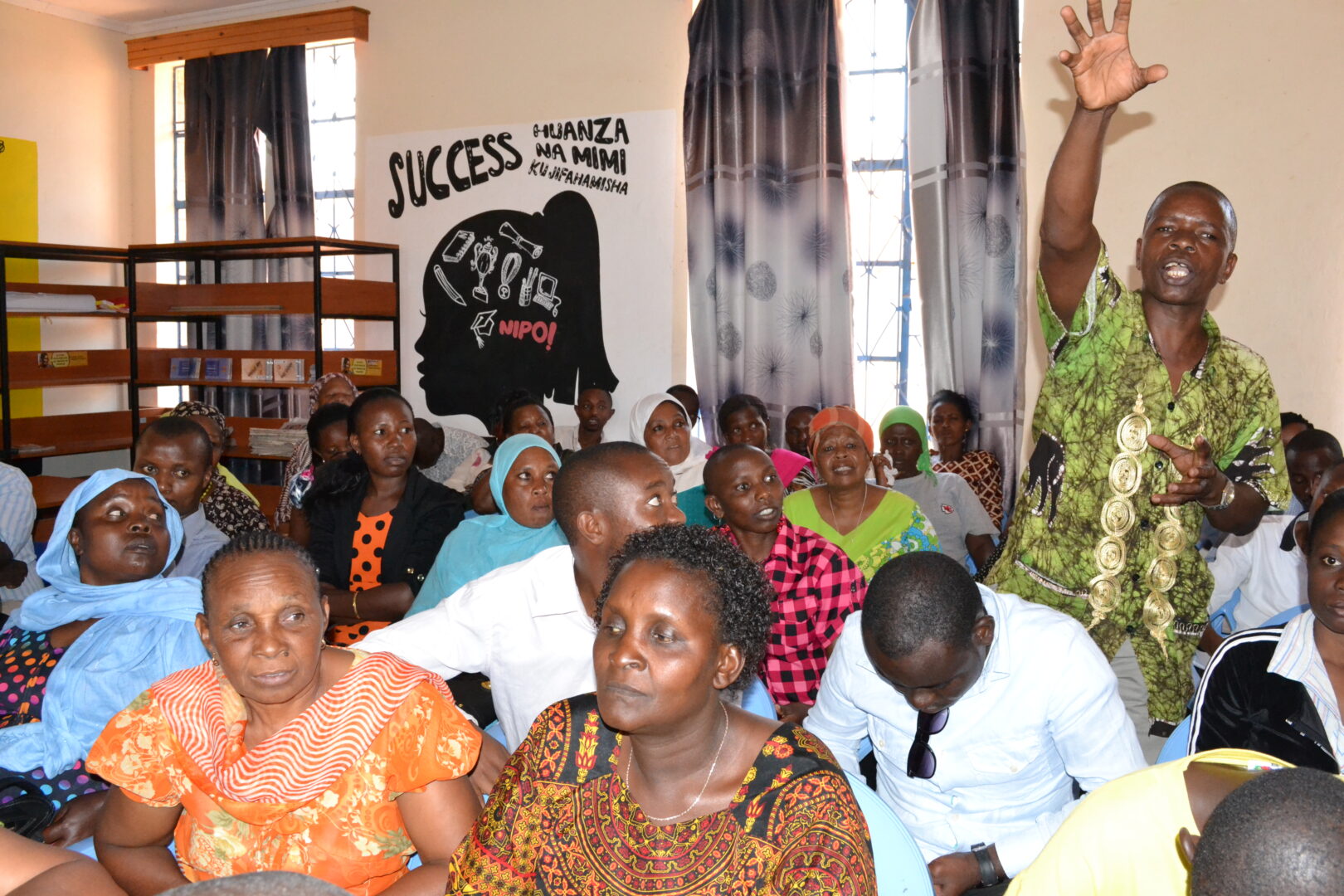
MFA partnered with The International Budget Partnerships (IBP) to implement a project that involved building the capacity of county based journalists to understand and report effectively on County budgets as well as report on local government spending so as to ensure it is transparent and improving the lives of County residents. Over the course of three years and covering seven counties namely Taita Taveta, Nyandarua, Busia, Kisumu, Narok, Kitui and Baringo, MFA also organized county roundtable discussions intended to bring together players from the county executive, county assembly, civil society organizations, the media and the public to discuss the roles of these players in the county budget process and how they can all work together for the success of the counties. The project was funded by FORD Foundation and The National Endowment for Democracy.
TRAINING FOR QUALITY (TZ)
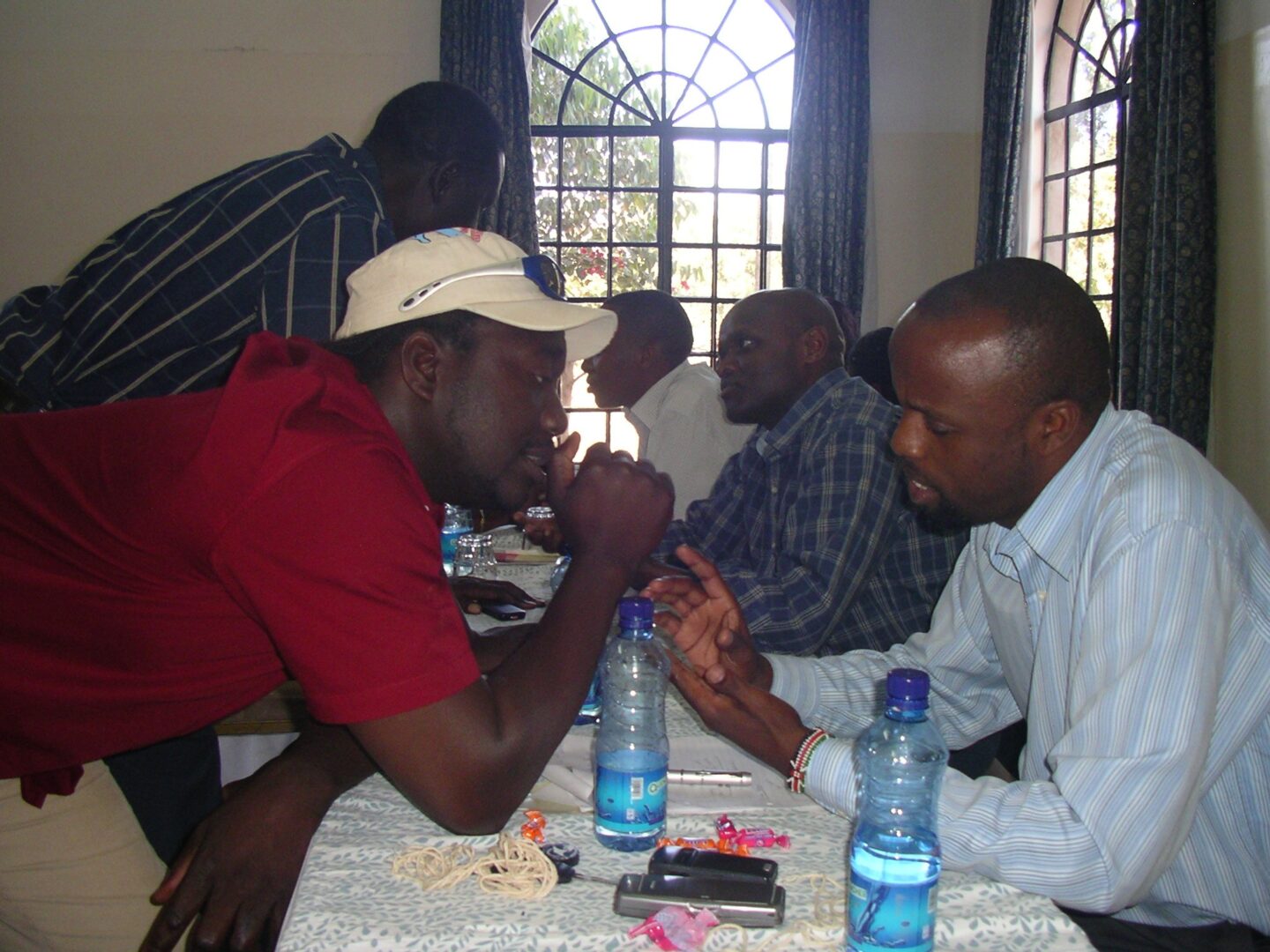
For Tanzania Media Fund (TMF) MFA implemented a training programme consisting of short training courses in basic skills and newswriting and online and investigative journalism for correspondents. The training programme was targeting correspondents working for the local media. Short training courses and review days were complemented with a 4 month mentorship programme: with personal coaching, review meetings with mentors, personal assignments, press conferences and a 2-week internship. MFA partnered with the International Center For Journalists (ICFJ). Joachim Buwembo, a rewarded journalist and knight fellow from the International Center for Journalists, supervised the mentor programme. The training programme was supported by an online platform for peer-to-peer learning and mentoring.
Results
- http//mediaup.tmf.or.tz online trainings platform
- 24 students trained in investigative and online journalism, basic skills and newswriting
- 600 articles were posted on the online platform
- 18 correspondents accomplished the short courses and 4-month mentorship program
- 5 front page articles in national newspapers
CHANUKAH GIRLS
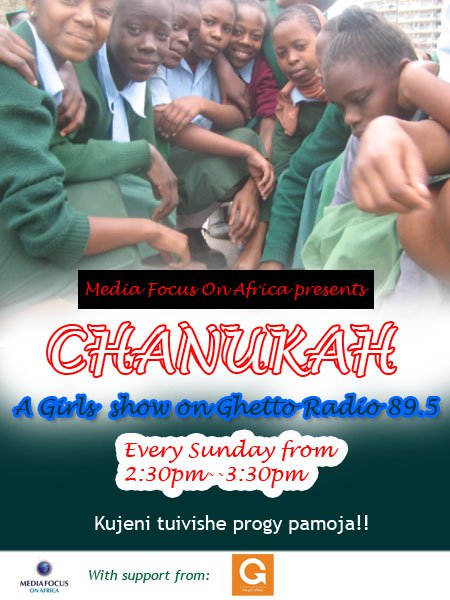
Chanukah was a project by MFA to increase awareness and access of information to girls in Nairobi slum areas. This project used a combination of radio, outreach, and social networking tools, to organize relevant information and make it more accessible to girls. “Chanukah” is Nairobi street lingo for empowerment.
The radio programs are available online. Listen here.
LEARN WITHOUT FEAR
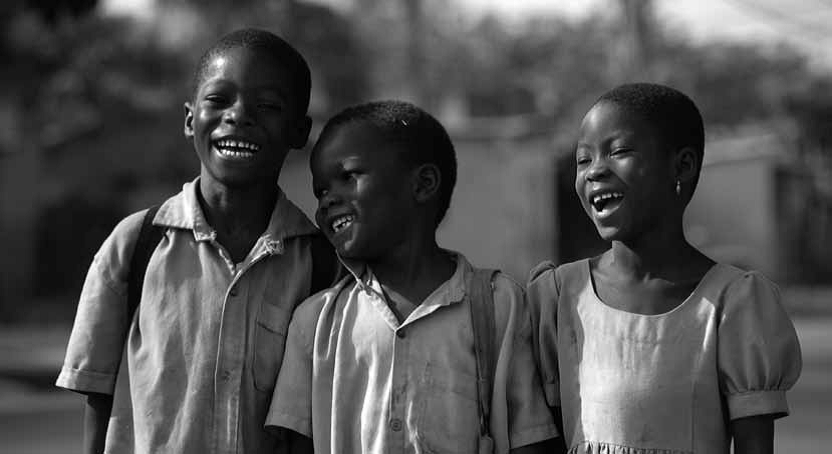
Violence against children in schools affects approximately one million children worldwide every day. Girls are especially vulnerable to rape, exploitation, coercion and discrimination. In October 2008, Plan International launched a global campaign to eliminate violence against children in schools, called Learn Without Fear. As of August 2010, the campaign was operating in 44 countries worldwide. MFA implemented Learn without Fear in cooperation with Plan Kenya
Key anti-violence campaign messages were created to reach millions of adults and children through radio and television shows, leaflets, training sessions and workshops. MFA helped in creating these messages including production of a short documentary film.
Children were involved in all aspects of the campaign. In working with schools, local communities and national governments across the world, the Learn Without Fear campaign demonstrated that stopping violence against children in schools – by engaging and educating those who are able to prevent violence from ever taking place – is possible.
Find the campaign progress report here, showing its successes and more.
ELECTIONS MEDIA STRATEGY
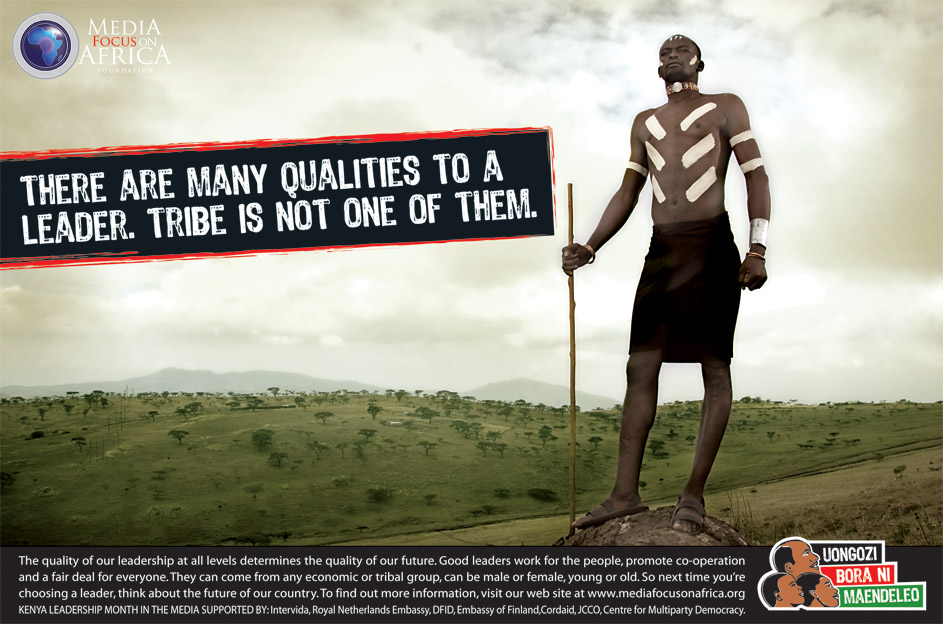
Multi-Media Strategy supporting Free and Fair Elections. With the support of the UNDP Elections Assistance Programme and development partners MFA conducted a ‘harmonised and issue-based’ media campaign with specific focus on the 2007 General Election in Kenya between September 19th and December 22nd of 2007.
The aim of this media campaign was to convey objective, unbiased and impartial information via the media on selected and thoroughly researched electoral topics, thus supporting the realisation of increased voter turnout and ‘free and fair elections’.
The campaign promoted the election agenda and gave the public an opportunity to express their views on topical issues that were relevant during this election year such as: equitable allocation of resources; unemployment; ethnicity; security and human rights. Target groups: the population in both urban and rural areas with special focus on the youth, woman and people with disabilities.
Objectives:
- Develop an issues-based approach to encourage discussion and reflection;
- Reaching target audiences nationwide utilising national/local media platforms;
- Supporting free and fair elections as well as increased voter turnout;
- Unbiased and equitable access of all political parties/candidates to the media.
APPROACH
The media strategy complimented the efforts of several media houses coverage of the elections and civil society organizations that conducted civic education through formal and informal meetings countrywide by providing a forum for discourse in a manner that reinforces these efforts. The strategy was firmly issue based and therefore – implicitly – worked as a civic education program promoting responsible citizen participation in the electoral process.
Thematic issues included: The role of the youth in politics; Women in electoral politics; Enacting a new constitution; Political parties and their respective manifestos; Poverty and inequality and Unemployment; Ethnicity, incitement and hate speeches by the political aspirants; Public service delivery; Resource allocation and the issues around devolved funds; Political accountability; Election Act and Election malpractices; Political campaign financing; Performance of the ECK; Role of the Executive (Provincial administration/Office of the president and Insecurity.